

Wine Tasting Club Guide: Explore and Savor in 2025
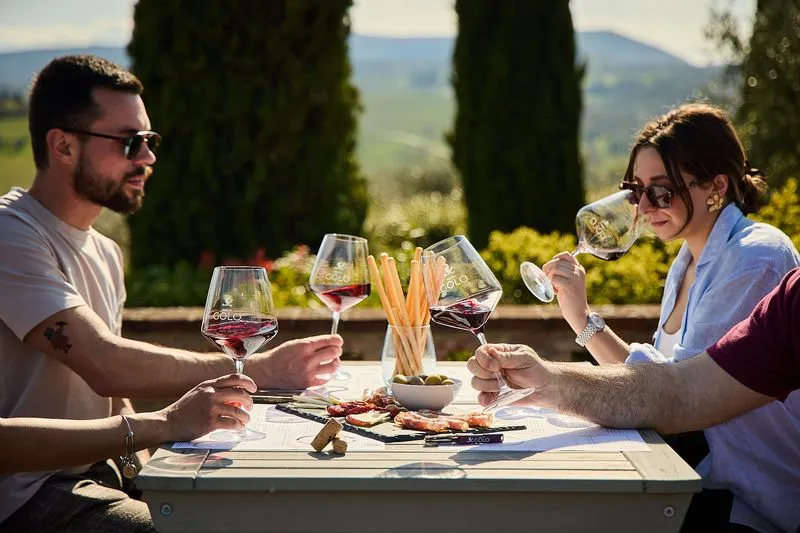

Wine tasting clubs are transforming how we savor and connect over wine in 2025. Once informal gatherings, these clubs now offer immersive experiences that blend education, discovery, and community.
Joining a wine tasting club opens the door to new flavors, friendships, and exclusive access to premium wines and curated events. Whether you are a curious beginner or a seasoned enthusiast, there is a club experience waiting for you.
In this guide, you will find expert insights, actionable steps, and practical tips for joining or starting a wine tasting club. Explore how to choose the right club, what to expect, and how to make the most of every tasting in the evolving world of wine.
What is a Wine Tasting Club?
Curious about what sets a wine tasting club apart from a casual get-together over a bottle? A wine tasting club is a dedicated group formed to explore, taste, and learn about wine in a structured, social setting. The goal is to foster a deeper appreciation for wine, build community, and create opportunities for discovery that go far beyond ordinary sipping.
The Concept and Purpose of Wine Tasting Clubs
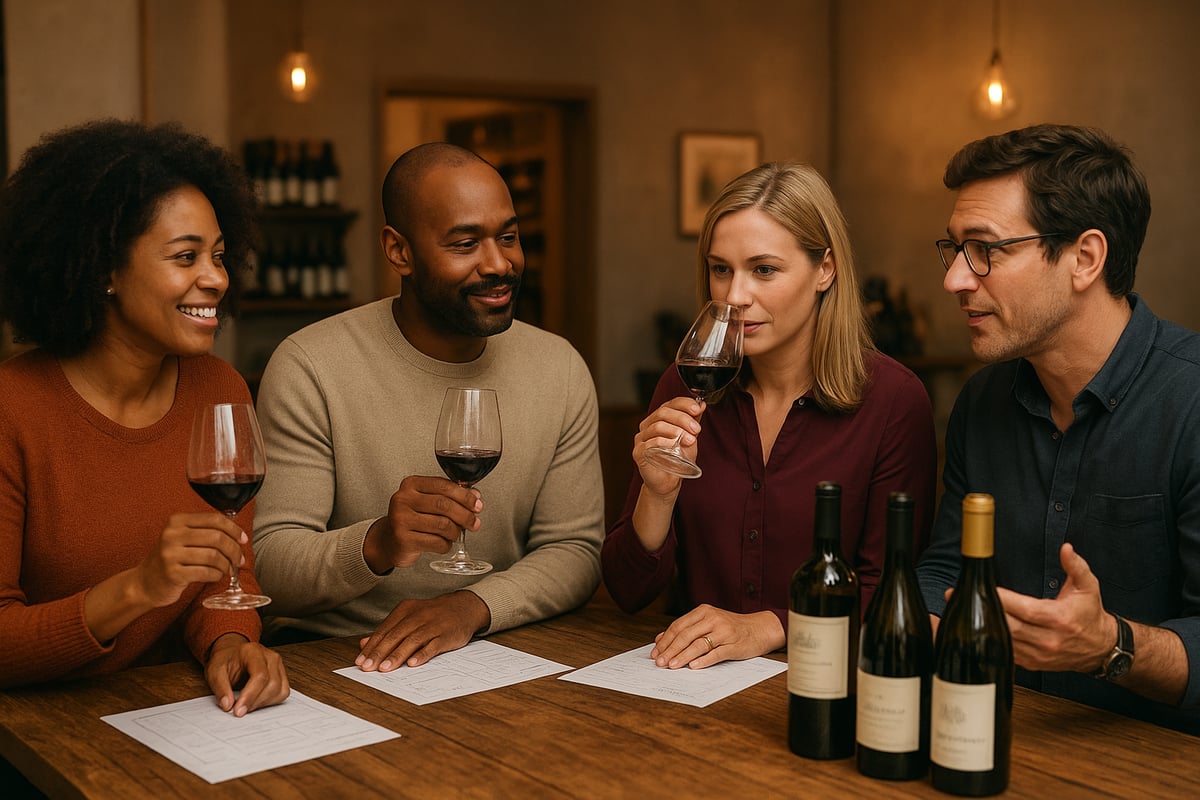
At its heart, a wine tasting club is more than just a social gathering. It is a platform for members to collectively expand their knowledge about wine, guided by structured tastings and expert insights. Unlike informal wine nights, a wine tasting club typically follows a planned format, featuring curated wine selections, tasting notes, and often educational themes.
Clubs can take several forms:
| Format | Features |
|---|---|
| In-person | Local venues, face-to-face interaction |
| Virtual | Online tastings, remote participation |
| Hybrid | Combines in-person and virtual elements |
| Themed | Focused on regions, varietals, or styles |
A wine tasting club not only offers a chance to try rare or premium wines but also provides access to expert guidance, whether from sommeliers, winemakers, or seasoned enthusiasts. Clubs often invite guest speakers, organize educational sessions, and use tasting sheets to help members refine their palates.
Participation has surged in recent years. According to Wine Enthusiast, wine tasting club memberships grew by 30% from 2020 to 2024. This growth reflects a broader shift toward immersive wine experiences and a desire for deeper community connections.
Inclusivity is a key value. There are wine tasting clubs tailored for all experience levels, from beginners eager to learn the basics to collectors seeking rare vintages. Many clubs actively support local wineries and sustainable wine practices, reinforcing their role in shaping a more responsible and vibrant wine culture.
You will find wine tasting clubs in many forms: neighborhood groups, workplace societies, and even global online communities. Each offers a unique approach to learning and socializing, making the wine tasting club experience truly diverse and rewarding.
Types of Wine Tasting Clubs
Wine tasting clubs come in many varieties, each offering a distinct experience. The two main categories are private and public clubs. Private clubs are invitation-only, often featuring exclusive access to limited wines and smaller, tight-knit groups. Public clubs welcome anyone interested, making them more accessible for newcomers.
Another key distinction lies in leadership. Professional-led clubs bring in sommeliers or winemakers to guide tastings, while peer-led groups rely on the collective knowledge of the members. Both formats offer valuable learning, but the presence of a wine expert often elevates the educational value.
Themed wine tasting clubs are increasingly popular. Some focus on specific regions such as Tuscany or Bordeaux, while others explore particular varietals, organic wines, or sustainable producers. Corporate wine tasting clubs are also on the rise, providing team-building and networking opportunities in a relaxed, enjoyable setting.
Recent data highlights evolving preferences. A 2024 survey revealed that 42% of wine tasting club members prefer regionally themed tastings, seeking to deepen their understanding of particular wine traditions. For further insights into what members value most and why some leave, see this Wine Club Member Preferences Survey.
Case studies show that different club types create unique experiences. For example, a peer-led neighborhood wine tasting club may foster strong friendships and grassroots knowledge-sharing, while a professionally managed club can offer rare tasting opportunities and structured learning.
Ultimately, the right wine tasting club fits your goals, whether you seek education, social connection, or exclusive access to premium wines. By understanding the types and formats available, you can find or create a club that enhances your wine journey.
How to Join or Start a Wine Tasting Club in 2025
Exploring the world of wine becomes even more rewarding when you join or start a wine tasting club. With so many options available in 2025, you can find a club that matches your preferences, budget, and level of wine knowledge.
Finding the Right Club for You
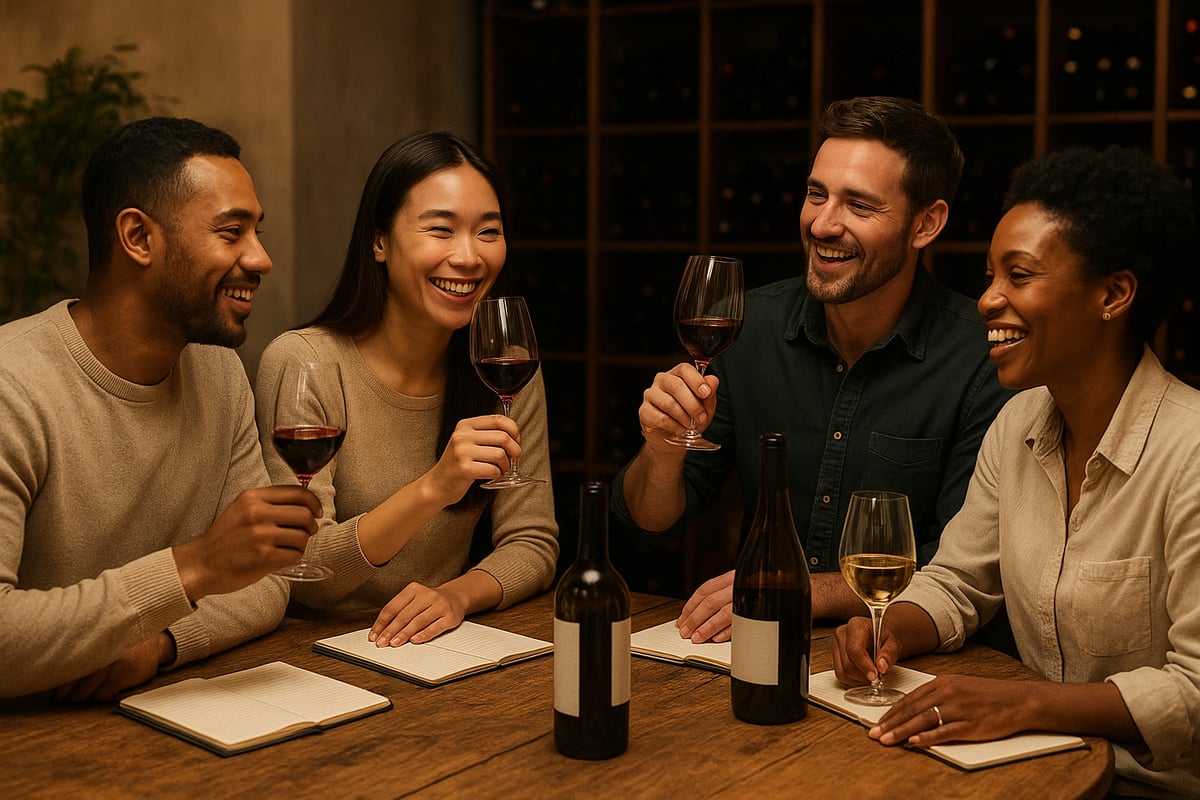
The search for the perfect wine tasting club begins with research. Start by browsing local wine shops, visiting winery websites, or joining dedicated social media groups. Online directories and community boards often list a variety of clubs, from neighborhood gatherings to national organizations.
Once you have a few options, evaluate each wine tasting club by reading reviews and member testimonials. Pay attention to feedback about the club's atmosphere, the quality of tastings, and how well it aligns with your interests. Ask yourself whether you prefer a club with a strong educational focus, a social emphasis, or a mix of both.
Next, consider the style and structure of each wine tasting club. Some clubs are led by sommeliers or industry experts, while others take a peer-driven approach. Look for clubs that match your wine preferences, whether you are drawn to bold reds, crisp whites, or wish to explore a specific region.
Membership costs can vary widely. In 2024, the average annual fee for a wine tasting club was $250. It is important to understand what is included, such as the number of tastings, access to exclusive wines, or special events. Always check for hidden expenses like bottle contributions or event fees.
Here’s a comparison of three popular wine tasting clubs:
| Club Name | Format | Annual Fee | Focus Area | Member Perks |
|---|---|---|---|---|
| Urban Vintners | In-person | $220 | Regional | Guest speakers, dinners |
| Golo Wine Club | Hybrid | $250 | Italian Wines | Join the Golo Wine Club |
| Digital Decanters | Virtual | $180 | Varietal | Tasting kits, webinars |
Should you join an existing wine tasting club or start your own? Joining offers immediate access to a community and established events, but starting a club gives you creative control. Weigh the pros and cons based on your goals and available time.
Steps to Starting Your Own Wine Tasting Club
If you are inspired to launch a wine tasting club, follow a clear set of steps to set yourself up for success. First, define your club’s purpose and target audience. Are you aiming for casual social tastings, or do you want to focus on wine education and exploration?
Recruit a group of founding members who share your enthusiasm. An ideal size is 8 to 15 people, ensuring lively discussion without becoming unmanageable. Decide on how often to meet, whether monthly or quarterly, and choose between in-person, virtual, or hybrid formats.
Establish simple rules for your wine tasting club, including how wines are selected, the budget for each tasting, and how hosting duties rotate. Plan your first event by selecting a theme, curating a wine list, and organizing logistics such as venue, glassware, and food pairings.
Set up a reliable communication channel. Many clubs use email groups, messaging apps, or dedicated platforms to coordinate events and share tasting notes. Registering your wine tasting club with local wine associations can unlock additional resources and perks.
Here is a step-by-step example from a successful 2024 launch:
- The founder defined a focus on sustainable European wines.
- Ten friends joined, meeting every six weeks both online and in person.
- Each member took turns hosting and selecting wines.
- The club used a shared online document to track tastings and notes.
- After registering with a regional wine council, they received invitations to exclusive tastings.
By following these steps, your wine tasting club can grow into a vibrant community. With careful planning and shared passion, you will create memorable experiences and expand your appreciation for the world of wine.
Planning and Hosting Memorable Wine Tastings
Hosting a memorable wine tasting club event requires thoughtful planning, creativity, and attention to detail. Whether your club meets in person, virtually, or as a hybrid, the right approach elevates every gathering into an engaging experience. From selecting wines and themes to creating the perfect ambiance, each decision shapes the enjoyment and learning for your members.
Choosing Wines and Themes
Selecting the right wines and themes is the foundation of an unforgettable wine tasting club event. Begin by aligning each tasting with your club’s interests, whether that means focusing on a particular region, grape variety, or style. Many clubs alternate between blind tastings, vertical tastings, and regional spotlights to keep members engaged.
Here’s a table summarizing popular theme ideas for your wine tasting club:
| Theme Type | Example | Engagement Level |
|---|---|---|
| Regional | Wines of Tuscany | High |
| Varietal | Pinot Noir Around the World | Medium |
| Vertical | 2015-2019 Bordeaux | High |
| Blind Tasting | Mystery Reds | Very High |
Sourcing wines can be as simple as visiting a local shop, ordering from online retailers, or arranging winery shipments. Budget is always a consideration, so pooling resources among wine tasting club members can help balance quality and affordability. Incorporating food pairings, such as cheese, charcuterie, or themed cuisine, elevates the tasting and brings out unique wine characteristics.
For those hosting at home or seeking detailed planning advice, consider this Wine Tasting at Home Guide for step-by-step tips on everything from wine selection to setup.
Rotating themes throughout the year keeps the wine tasting club fresh and encourages continuous discovery. According to recent surveys, 68 percent of clubs hosted at least one blind tasting event in 2024, highlighting the popularity of interactive formats.
Setting the Scene and Facilitating Tastings
The ambiance you create sets the tone for the entire wine tasting club experience. Start with the essentials: clean glassware, appropriate lighting, and comfortable seating. Soft background music and thematic décor, such as regional maps or wine barrels, add a special touch.
Serving order and temperature are crucial. Begin with lighter wines and progress to fuller-bodied selections, ensuring each bottle is served at its ideal temperature. Provide tasting sheets and a simple scoring system so members can record impressions and compare notes.
Tips for facilitating a smooth wine tasting club event:
- Prepare a printed or digital tasting sheet for structured feedback.
- Invite a sommelier or local wine educator for expert insights.
- Use a group chat or app for real-time discussion, especially in hybrid events.
Hybrid events, combining in-person and virtual participation, are increasingly popular. They allow members from various locations to join, broadening the wine tasting club community. Managing group dynamics is key; encourage every member to share thoughts, ask questions, and participate in discussions.
Guest speakers such as winemakers or educators can provide deeper context, making each wine tasting club session both social and educational. The result is a welcoming environment where members feel comfortable exploring new wines and sharing experiences.
Immersive Winery Experiences: Tenuta Golo
Taking your wine tasting club beyond the meeting room and into the vineyard is a transformative experience. Organizing outings to boutique wineries gives members direct access to winemakers, hands-on learning, and exclusive tastings.
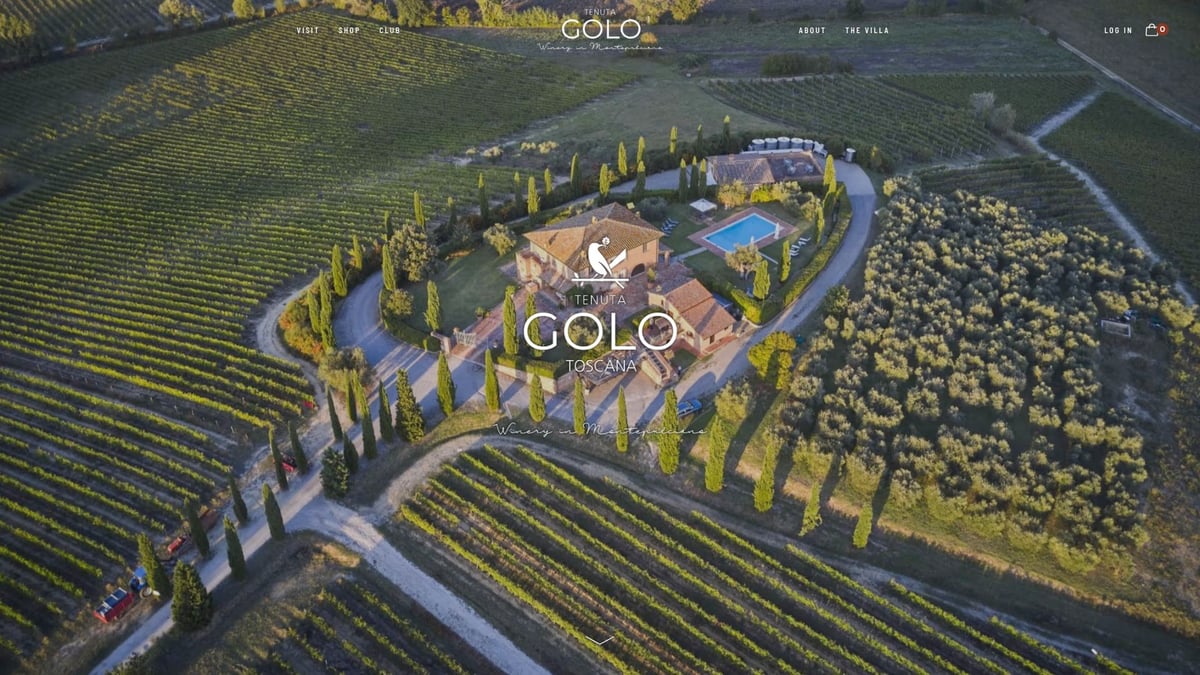
Tenuta Golo in Montepulciano, Tuscany, exemplifies this approach. The estate offers personalized tours, guided tastings, and expertly curated culinary pairings within its historic 17th-century setting. Club members can immerse themselves in the nuances of terroir-driven wines and the distinct traditions of the region.
A recent club visit to Tenuta Golo deepened members’ appreciation for Nobile di Montepulciano DOCG wines and provided firsthand insight into Tuscan hospitality. Engaging directly with winemakers allowed the group to ask questions, explore production methods, and understand the philosophy behind each bottle.
These immersive experiences strengthen the wine tasting club’s sense of community and foster a richer, more authentic connection to wine culture. They also inspire new tasting themes and educational opportunities for future meetings, ensuring the club continues to grow and evolve.
Enhancing Your Wine Tasting Club Experience
Elevating your wine tasting club experience means going beyond the glass. A successful club blends knowledge, camaraderie, and shared discovery. Whether you are a novice or a seasoned collector, focusing on both learning and connection can transform your journey in the world of wine tasting clubs.
Building Wine Knowledge and Palate
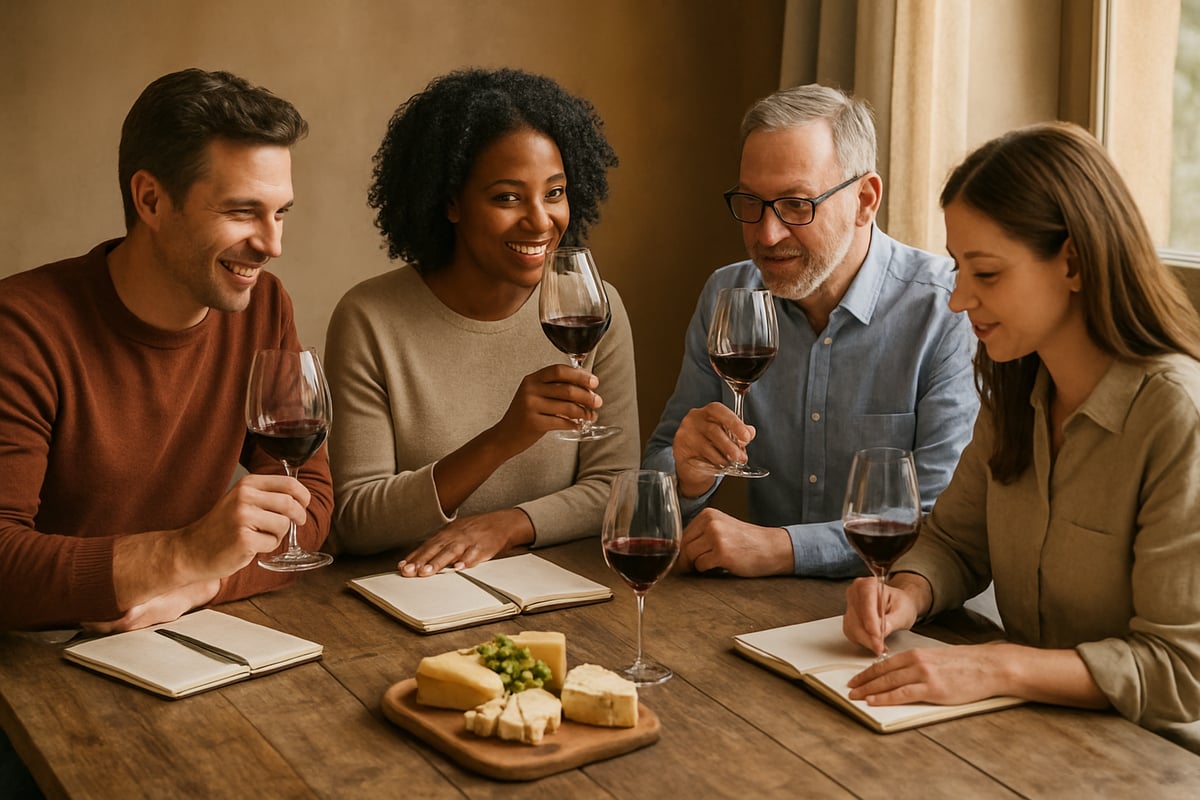
To truly benefit from a wine tasting club, prioritize continuous learning. Many clubs organize educational sessions that dive into wine regions, grape varieties, and tasting techniques. Structured tastings, such as vertical or horizontal comparisons, help members refine their palates and understand subtle differences between vintages or terroirs.
Incorporating technology can further enhance your club’s experience. Interactive tasting apps, virtual masterclasses, and even AR wine labels are becoming popular tools for members eager to expand their knowledge. According to recent data, clubs that include educational components report a 40 percent higher member retention rate—a testament to the value of ongoing learning.
Encourage members to keep tasting journals and share notes. This practice not only documents progress but also sparks lively discussions about preferences and discoveries. Many wine tasting clubs now host comparative tastings, such as Old World versus New World wines or vintage comparisons, to deepen understanding.
For those interested in formal education, some clubs evolve into study groups pursuing certifications like WSET. Inviting expert guests for Q and A sessions or interactive workshops also adds significant value. For inspiration on structuring immersive and educational tastings, consider reviewing the Wine Tasting Course Experience for practical tips and proven frameworks.
As the wine industry embraces digital transformation, clubs can leverage new innovations to stay ahead. Platforms using AI and data analytics, as discussed in the Wine Industry's Digital Transformation, are making it easier to personalize tastings and track club preferences. These advancements ensure your wine tasting club remains both modern and engaging.
Social and Networking Benefits
While learning is crucial, the heart of any wine tasting club lies in its social connections. Clubs offer a welcoming space to foster friendships among people who share a passion for wine. Over time, these relationships often extend beyond tastings, resulting in lasting bonds and a vibrant community.
Organizing club trips to renowned wine regions or local festivals can create unforgettable memories. Many wine tasting clubs also collaborate with nearby restaurants or specialty food shops, curating paired events that highlight both wine and cuisine. These partnerships not only diversify club activities but also support local businesses.
Documenting your club’s journey through a newsletter or blog encourages participation and preserves memorable moments. Some clubs even host annual retreats, which quickly become highlights for members. These gatherings often include themed tastings, culinary experiences, and guest speakers.
Wine tasting clubs are also well positioned to give back to the community. Hosting wine-themed fundraisers or supporting local charities can make your club’s impact even more meaningful. By blending social enjoyment with purpose, your wine tasting club becomes a catalyst for both personal growth and positive change.
Wine Tasting Club Trends and Innovations for 2025
Wine tasting club experiences are rapidly evolving, driven by new technology, changing member preferences, and a growing focus on sustainability. As we look ahead to 2025, these clubs are becoming more dynamic, inclusive, and engaging than ever before. Let us explore the most significant trends shaping the future of the wine tasting club landscape.
Technology and Virtual Tastings
Digital innovation is transforming the wine tasting club model. In 2024, virtual tastings made up 25 percent of club events, and this number is expected to increase. Clubs now host hybrid meetings, bringing together members from different locations through interactive platforms. Tasting kits shipped to members’ homes allow everyone to sample the same wines simultaneously.
Advanced tools enable real-time feedback, palate analysis, and AI-powered wine recommendations. These features help members connect, learn, and discover new favorites regardless of distance. According to the 2024 Direct-to-Consumer Wine Report, clubs that embrace technology see higher participation and satisfaction rates.
Sustainability and Ethical Sourcing
Sustainability is a driving force in the wine tasting club community. More clubs are highlighting organic, biodynamic, and natural wines, often partnering with eco-friendly wineries. This not only supports the environment but also appeals to members interested in responsible consumption.
In 2025, over half of clubs plan to feature sustainable wines in their tastings. Many host themed events focused on green practices or spotlight producers with ethical certifications. These initiatives help foster a culture of environmental stewardship within the wine tasting club world.
Personalization and Member Engagement
Modern wine tasting club members seek tailored experiences. Clubs now offer customizable wine selections based on individual taste profiles, exclusive events, and member-driven themes. AI integration allows for detailed palate analysis and curated recommendations, enhancing the personal touch.
Tiered memberships and loyalty rewards are on the rise, giving members options for deeper engagement. Clubs that prioritize member involvement see higher retention and a stronger sense of community. Interactive apps and feedback systems empower members to shape the club’s direction.
The Future of Wine Tasting Clubs
Looking ahead, wine tasting club participation is projected to grow by 15 percent in 2025, driven by increased interest in experiential learning and social connection. Clubs will continue to adapt to changing demographics, lifestyles, and global trends.
Wine tasting clubs are expected to play a larger role in wine education and appreciation, connecting enthusiasts worldwide. For a data-driven perspective on wine tourism and club growth, see the latest Vineyard Marketing Statistics 2025. Clubs that embrace innovation, inclusivity, and sustainability will shape the future of wine culture for years to come.
As you set out to join or form a wine tasting club in 2025, there’s no better way to deepen your appreciation for great wines than by experiencing them firsthand at an estate like Tenuta Golo. Imagine sharing curated Nobile di Montepulciano DOCG wines with fellow enthusiasts, learning directly from passionate winemakers, and enjoying the charm of a historic Tuscan estate. If you’re ready to bring your club’s journey to life or simply savor remarkable wines in a memorable setting, I invite you to Book Your Wine Tasting Now. This is your chance to turn inspiration into an unforgettable experience.
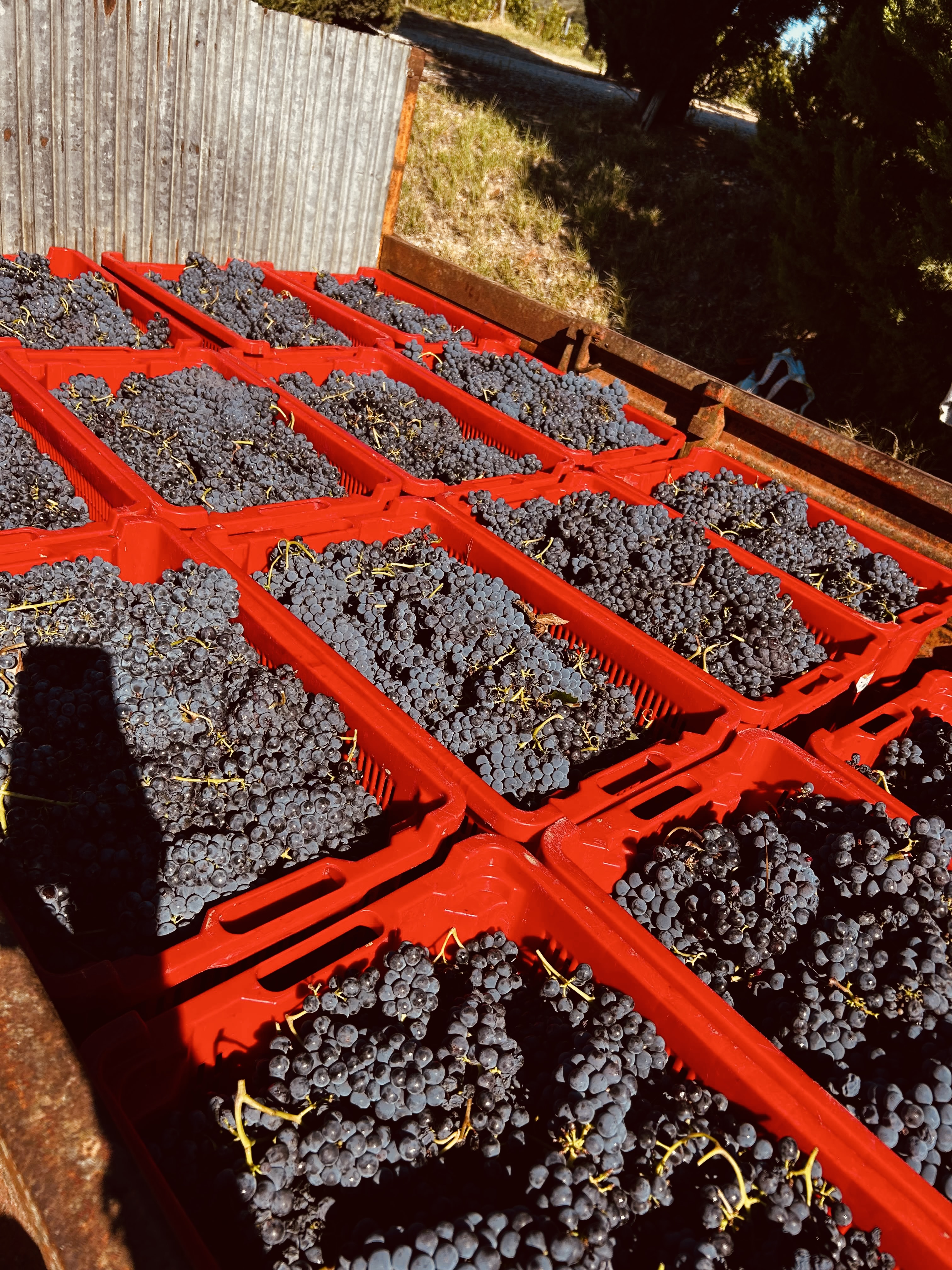
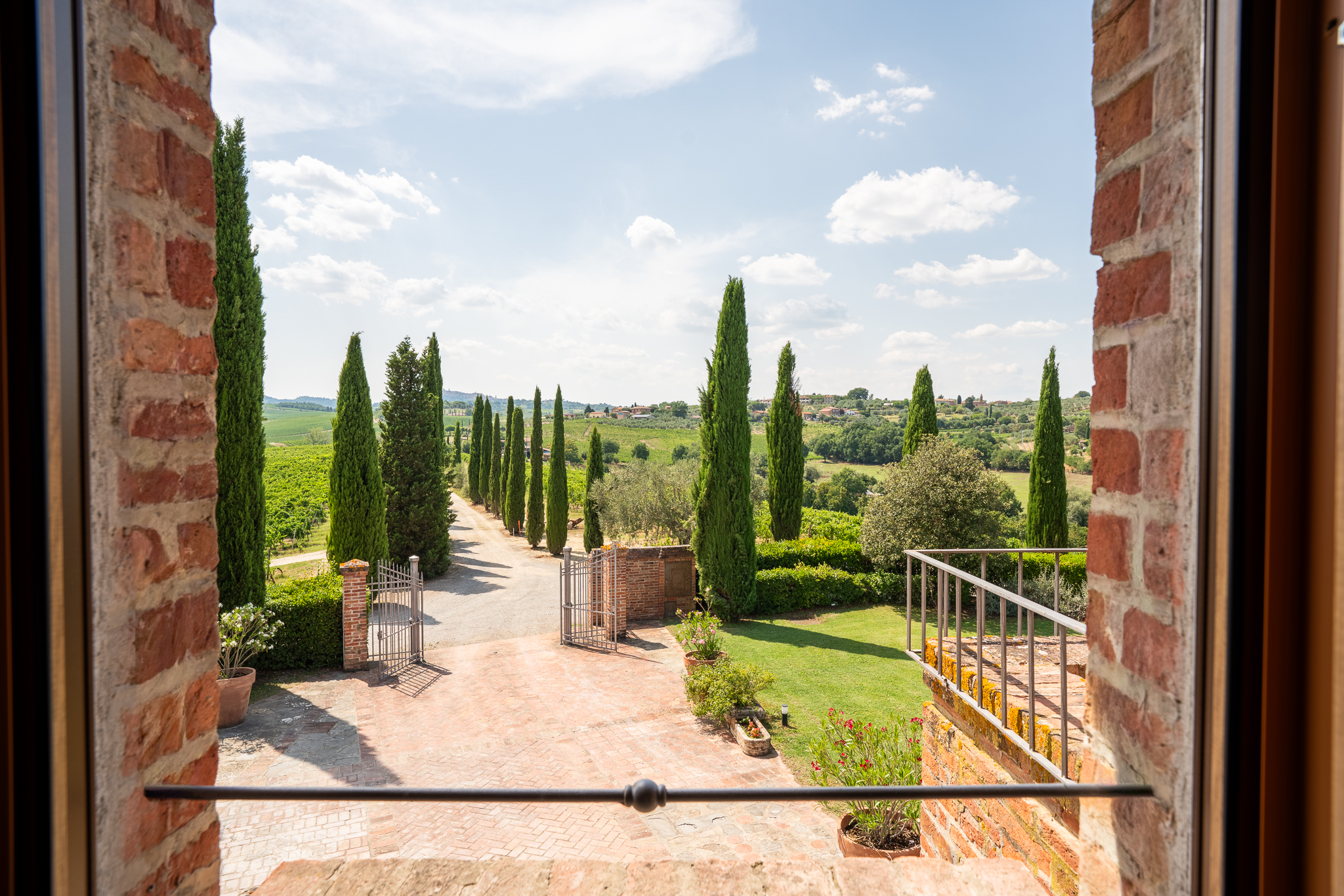
One of the things we’ve learned over the past five years is that owning a winery in Tuscany is a bit like peeling an onion.
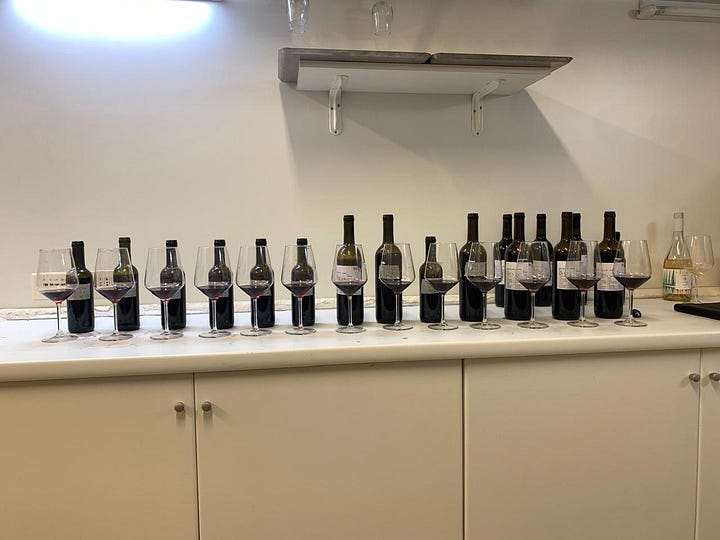
So this edition could be considered to be a little bit geeky but our dear gentle readers [that’s you lot by the way] will remember our last newsletter. There we were, in the immortal lyrics of Smile by Lily Allen, having “a little whine and a moan” about winter. We were, however, also looking forward to things getting busier. [Editors Note: Now I see why he remembered this line although he spells it without the ‘h”….].